What is a Canine Behaviour Consultation?
Dog behaviour consultations are designed to help identify the causes behind unwanted or challenging behaviours and develop practical strategies to improve them. Consultations can address issues such as anxiety, fear, reactivity, aggression, excessive barking, resource guarding, separation concerns, and difficulty settling.
The focus is on understanding your dog’s individual needs as well as family needs and provide you with clear techniques that can be incorporated into your everyday life.

Common Problems Include:

Separation anxiety
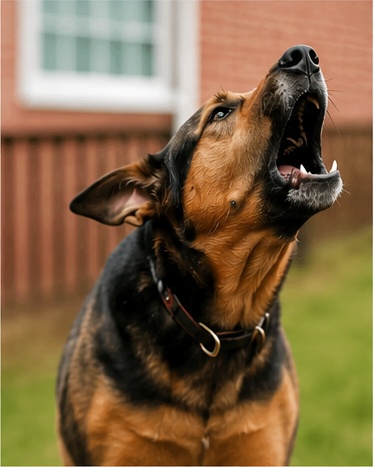
Excessive barking
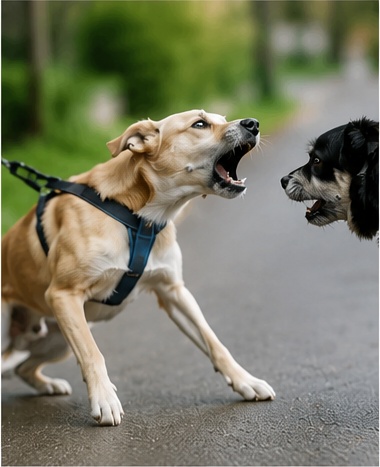
Reactivity

Fear and Anxiety
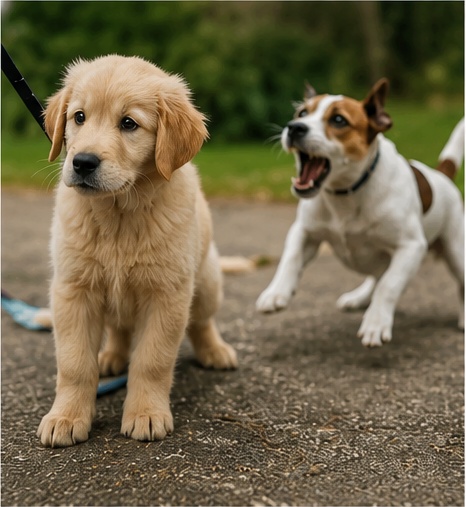
Puppy Socialization Problems

Destructive Behaviour
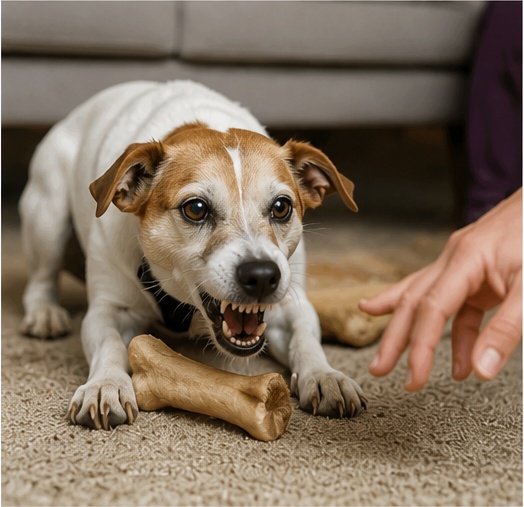
Resource Guarding
During the virtual dog behaviour consultation we go over a number of factors to assess the problem behaviour. These can include, triggers, daily routine, health and background. Types of questions that may be asked are below
Most important: Be completely honest about the behaviour, including growling, snapping, biting, chasing, guarding, or escape attempts. Accurate information allows the behaviour professional to create a safer and more effective plan during your dog behaviour consultation.
Triggers
For each problem behaviour, record:
a. What happened immediately before the behaviour
b. Are there any “ things” (people, dogs, animals, objects, sounds, places, or situations) that trigger the behaviour
c. Is there an approximate distance from the trigger when the behaviour starts
d. Specific time of day and location when the behaviour occurs
e. Is the behaviour worse in particular environments.
f. Is there certain early warning signs—staring, freezing, lip licking, pacing, hiding, growling, barking, etc.
g. What happens after the behaviour and what seems to make it better or worse.
h. Is there any recent incidents, If yes please record the following:
- Date and approximate time.
- Location.
- Who or what was involved.
- What happened immediately beforehand.
- Exactly what your dog did.
- How long it lasted.
- How you responded.
- What happened afterward.
- Any injuries, property damage, escapes, or other safety concerns.
Daily Routine
Bring information about:
1. Wake-up and bedtime.
2. Feeding schedule and diet.
3. Walks—frequency, duration, locations, and whether your dog walks alone or with other dogs.
4. Exercise and play.
5. Training sessions.
6. Time spent alone.
7. Sleeping and resting habits.
8. Social interactions with people and other dogs.
9. Typical household activity and visitors.
10. Any changes to the normal routine.
Health and background
- Age, breed/mix, sex, and approximate weight.
- When and where you got your dog.
- Previous homes or significant experiences, if known.
- Veterinary history relevant to the behaviour.
- Current medications or supplements.
- Recent changes in appetite, sleep, mobility, toileting, or energy.
- Any recent illness, injury, pain, or veterinary concerns.
- Vaccination and parasite-prevention information, if relevant.
Please have the following information ready for the virtual consultation
- Your written behaviour notes.
2. A typical daily schedule/routine.
3. Recent incident records.
4. Relevant veterinary records.
5. A list of current food, treats, medications, and supplements.
Photos or videos of the behaviour if they can be obtained safely.
6. Your dog's usual treats.
7. Any equipment you currently use for managing the behaviour.
Dog Behaviour Consultation — Practical Checklist
Before the virtual consultation we ask that you email us with the following:
1. The behaviours you want help with
2. When the behaviour started and whether it has progressed or changed over time
3. How often it happens and how long it typically lasts and what you have been doing to correct it
4. The severity of the behaviour and how difficult it is to interrupt
5. Any major life changes that happened around the time the behaviour began.
Canine Behaviour Consultations May Take Place:
In your home
Via virtual video call or telephone call
FAQ
What Does a Canine Trainer Do?
A canine trainer helps dogs to learn skills and behaviours with appropriate evidence based training methods. Services can include:
- Puppy socialization/training
- Basic obedience
- Advanced obedience
- Recall training
- Leash manners
- Manners around guests
- Preparation for canine sport or therapy work
When Should You Seek a Canine Behaviour Consultation?
- When problem behaviours arise
- Showing signs of fear or aggression
- If difficult to manage despite previous training
- Showing signs of anxiety when left alone
- Have behaviours that affect safety or quality of lives
What are the Benefits of Seeking a Canine Behaviour Consultation?
- Improving communication between dog and owner
- Reduced stress of both canine and owner
- Improved confidence in fearful dogs
- Prevent behaviours from increasing in intensity/severity
- Provide a stronger dog-human bond